
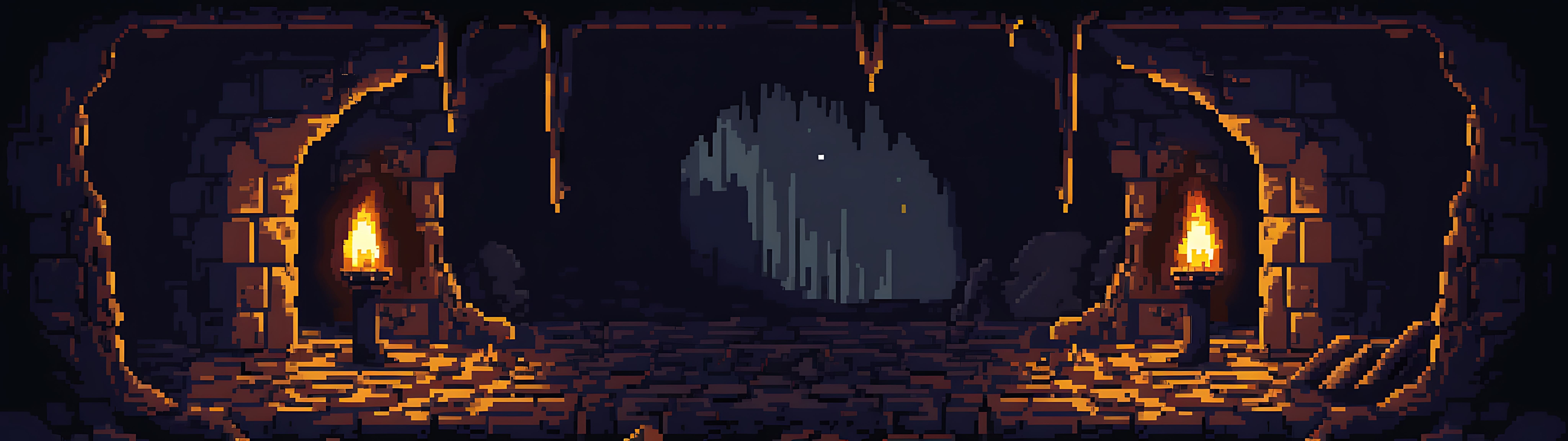
For many orphans of the early 90s console wars, Disney's Aladdin for the Sega Mega Drive was a visual masterpiece. It featured fluid animation from actual Disney artists and a soundtrack that pushed the Yamaha chip to its limits. But among the bazaar levels and sultan's dungeons lurked a level that broke more controllers than any other: The Rug Ride.
The Legend of the Golden Scepter
Rumors began circulating in playgrounds just months after the game hit retail shelves. It was said that a specific sequence of actions in the Cave of Wonders would grant Aladdin a "crown" of invulnerability or a hidden bypass. The most persistent legend claimed that if you held a specific combination on the D-pad during the transition to the carpet ride, the game would skip the escape sequence entirely and jump straight to the Jafar standoff.
Supporters of the myth pointed to the game's internal code. Enthusiasts digging through data chips found evidence of early development builds where the level progression was different. Some claimed that by being "online" with early BBS message boards, they had received a developer code that functioned like a digital golden scepter, clearing the path forward.
Diving into the Code
While the "Carpet Skip" is largely dismissed by speedrunners today, the mystery remains why so many distinct sources claimed to have seen it. We've compiled the most common variations of the rumor encountered during our investigation:
- The 50-Apple Tribute: Dropping apples into a specific lava pit to trigger a warp.
- The Abu Distraction: Making the monkey perform a dance during the boulder chase.
- The Invisible Ledge: A pixel-perfect jump at the start of the level that bypasses the carpet trigger.
In modern emulation, we can verify that the game has a cheat menu (the legendary A-C-A-C-A-C-A-C-B-B-B-B code), but it simply allows for level selection rather than a mid-level skip. The myth likely grew from players confusing the official cheat menu with a secret gameplay mechanic designed by the developers to bypass the crushing difficulty of the lava waves.
The Geometry of Flight and Fall
Aladdin for the Mega Drive was a technical marvel that brought Disney's animation aesthetic to a console that had no business looking this good. Virgin Interactive's programming team developed custom tools that allowed them to convert actual film frames into playable sprites, creating a visual experience that felt closer to interactive cinema than traditional platforming. This fidelity to the source material made players particularly attentive to environmental details, and the Magic Carpet Ride level — with its three-dimensional perspective and swooping camera angles — became a focal point for speculation about hidden content embedded in the game's architecture.
The carpet skip myth proposed that specific combinations of directional inputs during the flight sequence would cause Aladdin to phase through the decorative clouds and access a hidden route that bypassed the normal level progression. Some versions of the myth claimed this shortcut led to an alternate version of Agrabah where all the NPCs spoke in backwards audio. Others suggested that the skip would unlock a debug mode where players could control the carpet indefinitely, exploring the game's backgrounds as freely as the pre-rendered cutscenes suggested. The consistency of these claims across different geographic regions suggests that the myth originated from a shared visual ambiguity in the level design.
Technical examination of Aladdin's code reveals that the Magic Carpet Ride level uses a tightly constrained pathing system that prevents the player from deviating from the intended route. The background elements are decorative parallax layers that exist at different depth values than the playable collision plane, making physical interaction impossible by design. The carpet's movement is controlled by a spline-based system that guides the player through predetermined waypoints, with only minor adjustments possible through directional input. These architectural choices, made necessary by the limited processing power of the Mega Drive, effectively prevent any form of sequence breaking or environmental clipping.
Disney, Desire, and the Impossible Shortcut
The Aladdin carpet skip myth persists because it addresses a fundamental tension in the game design. Aladdin presents players with visually spectacular environments that they can never fully explore. The parallax backgrounds tease with detail — distant palaces, flying birds, atmospheric effects — that remains permanently out of reach. The carpet level intensifies this tension by literally sweeping the player through a three-dimensional space that implies freedom while enforcing rigid constraints. The myth of a skip represents a psychological rebellion against these constraints, a fantasy of breaking through the invisible walls that separate players from the game's visual riches.
The cultural context of Aladdin's release also contributed to the myth's persistence. The game arrived during the peak of Disney's Renaissance period, when animated films commanded unprecedented cultural attention. Children who had memorized every frame of the movie approached the game with expectations shaped by cinematic experience. In the film, the Magic Carpet is a character with agency and personality, capable of independent movement and problem-solving. Translated to game mechanics, this cinematic freedom became a frustrating limitation. The carpet skip myth can be understood as an attempt to reconcile the game's mechanical reality with the film's narrative promise — a way to make the Mega Drive version feel as magical as the movie that inspired it.
Modern speedrunners have confirmed that Aladdin contains no significant sequence breaks or environmental clips. The game's collision detection is robust and its pathing systems are inflexible. However, this technical certainty hasn't prevented new generations of players from discovering the myth through archived forum posts and video retrospectives. The carpet skip has achieved a kind of immortality as a teachable example of how visual design can create illusions of possibility. It demonstrates that the most persistent game myths often emerge not from programming errors or hidden data, but from the gap between what players see and what they're allowed to touch — the eternal frustration of being shown a world and then told which parts of it are real.
Case Files: Comments
DesertRat
2026-05-28My cousin swore he did it. He said he found a hidden genie lamp behind one of the lava falls that let him finish the level instantly.
Add to the Archive